Derivative Shaders
Start a Minecraft Server in Under 5 Minutes!
- Simple Server Setup
- All Mods & Plugins Supported
- 7 Day Money Back Guarantee
Why Your Minecraft World Needs a Visual Overhaul
The world of Minecraft is a canvas of endless creativity, but its blocky, retro aesthetic, while charming, often leaves players yearning for more immersive visuals. For years, the community has relied on traditional shader packs to inject realism—adding dynamic shadows, waving grass, and reflections. Yet, a new, more sophisticated generation of graphics has emerged: the Derivative Shaders Minecraft experience. These aren’t just simple filters; they are complex, physics-based rendering engines that utilize advanced mathematical techniques to model light in a stunningly accurate way.
The introduction of these highly optimized and feature-rich shaders marks a true epiphany for the game’s graphical potential. They don’t just mimic reality; they strive to simulate the very nature of light interaction, creating a breathtaking fidelity that older packs simply couldn’t achieve. This revolution elevates the game from a simple sandbox to a cinematic masterpiece, making every sunset and cave exploration a visually profound event.
Comparison & Version Info
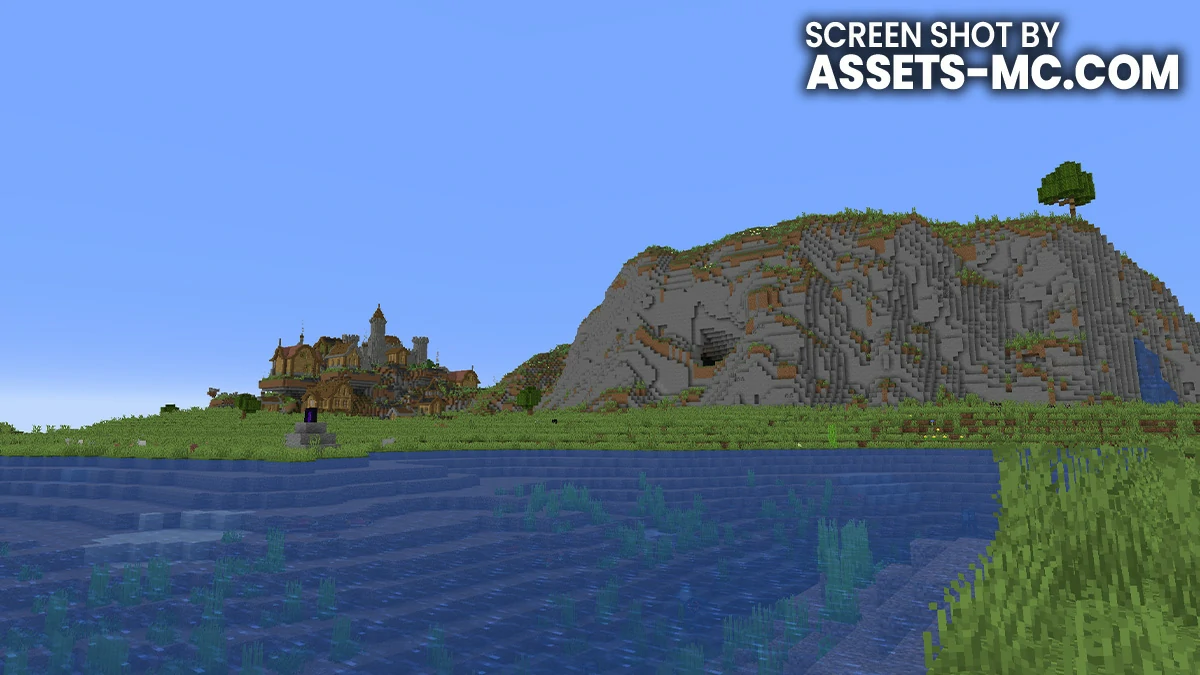
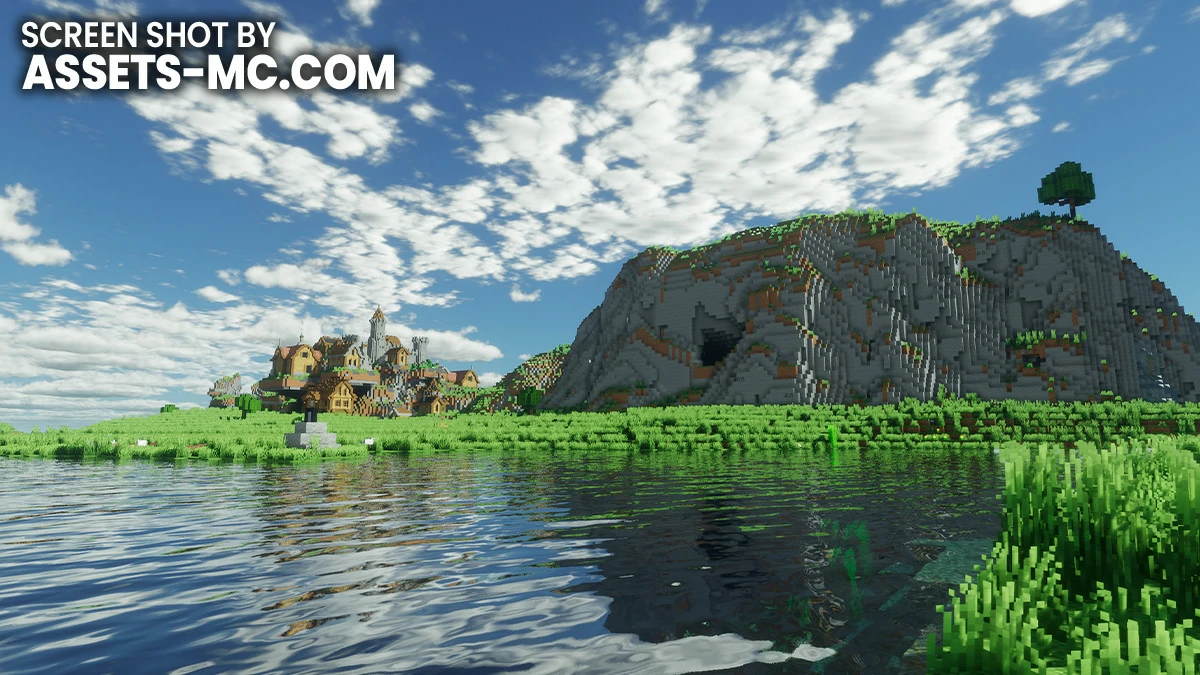

Exploring the Core Technology Behind Derivative Shaders
What exactly sets “derivative shaders” apart from standard shader packs like BSL or Sildur’s Vibrant Shaders? The distinction lies in their computational approach. Derivative shaders often incorporate more advanced rendering techniques, specifically utilizing concepts that involve differential geometry or light tracing algorithms, which are often derived from professional rendering software.
The Mathematics of Light Rendering
At a fundamental level, standard shaders approximate light effects. They use simplified models for calculating shadows (shadow maps) and reflections. Derivative Shaders, in contrast, frequently leverage more rigorous mathematical models.
Understanding Ray Tracing and Path Tracing
Many of the top-tier derivative packs are heavily influenced by or incorporate elements of ray tracing or path tracing. These methods calculate the path of light rays from a source to the player’s eye, allowing for hyper-realistic effects like global illumination, accurate soft shadows, and complex reflections. This computational overhead is managed through highly optimized code that sometimes requires specific hardware support, such as NVIDIA’s RTX capabilities, to achieve playable frame rates. The resulting fidelity is truly a marvel.
The Impact of Global Illumination
One of the most defining features of Derivative Shaders is their sophisticated Global Illumination (GI).
- Standard Shaders: Light is often calculated only from direct sources (sun, torches).
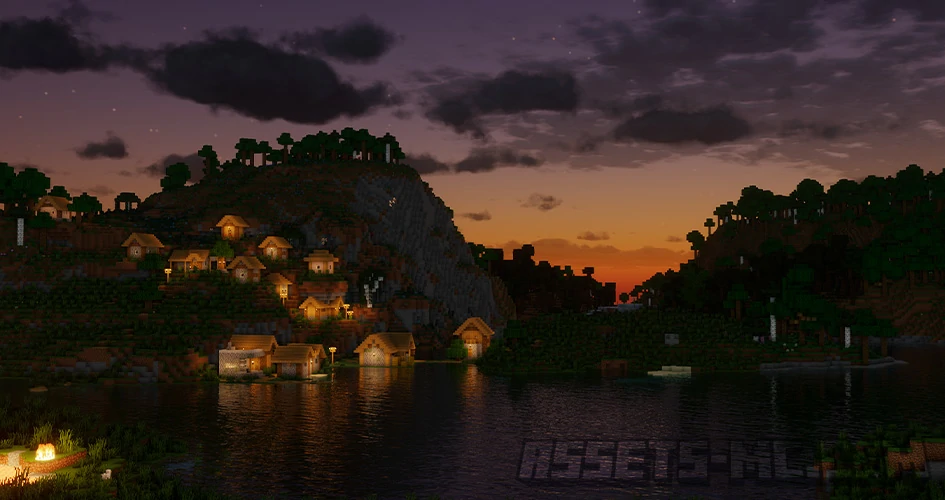
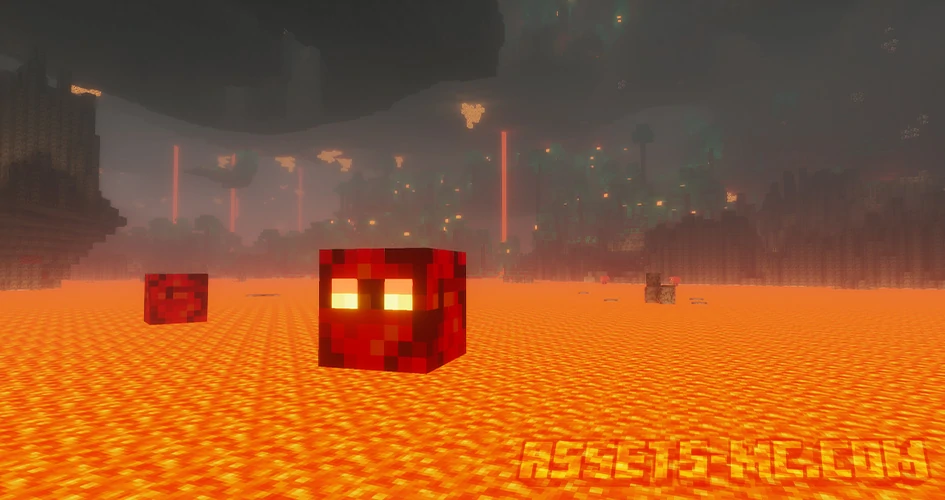
- Derivative Shaders: Light bounces off surfaces, illuminating adjacent areas and casting colored light (e.g., a green surface will subtly tint the white wall next to it). This effect, known as color bleeding, creates an unprecedented level of depth and realism, making interiors feel warm and caves feel truly dark and imposing. This computational feat allows for truly believable virtual worlds.
Video & Screen Shoots
The Future of Minecraft Visuals with Derivative Shaders
The development of Derivative Shaders Minecraft is an ongoing process. Developers are constantly pushing the boundaries of what is possible within the game’s engine. The trend is moving away from purely rasterized effects towards more accurate hybrid or full path-traced solutions. This means future packs will offer even greater realism, requiring even more sophisticated hardware, but delivering visuals that blur the line between a sandbox game and a professional rendering engine.
Community Packs Pushing Boundaries
Some of the most popular packs in this category—such as Continuum Shaders, SEUS PTGI (Path Traced Global Illumination), and Complimentary Shaders—are continually updated, offering features like advanced water refraction, physically based rendering (PBR) support, and adaptive performance scaling. Each new release brings with it a greater sense of plenitude and graphical refinement.
How to Install Derivative Shaders?
- Download the shader pack using the button below.
- Install Iris or OptiFine — Iris is recommended for better performance and smoother FPS.
- Open Minecraft Launcher and select the Iris or OptiFine profile.
- Start the game.
- In Minecraft, go to:
Iris: Options → Video Settings → Shader Packs
OptiFine: Options → Video Settings → Shaders - Click Open Shader Pack Folder and move the downloaded ZIP file into it.
- Go back to Minecraft, select your shader from the list, and click Done or Apply.
Derivative Shaders Download
- Credits: Full credit for creating Derivative Shaders goes to HaringPro.
- Please note that none of the files are hosted on our servers — all direct download links are provided by the official creators.
- Every pack is thoroughly checked and confirmed to be free from viruses, ensuring a completely safe and secure download experience for all users.